
By Tylzen Spoke Roofing · Published
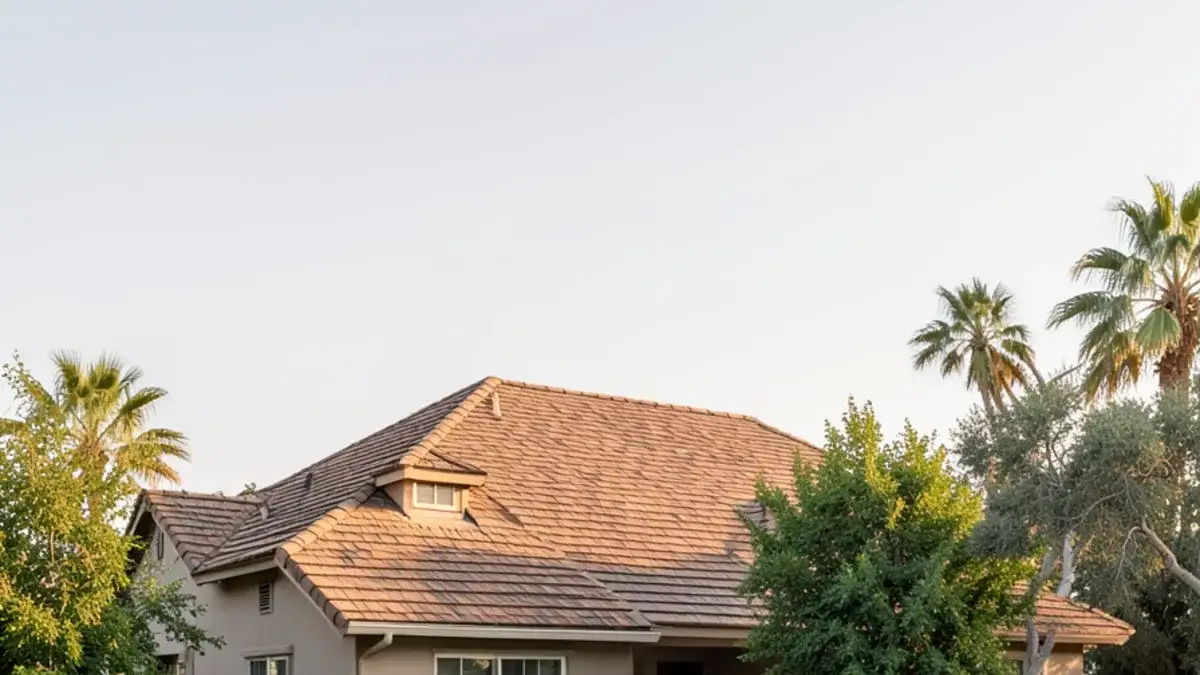
The best asphalt shingles for a San Gabriel Valley home are usually mainstream architectural (laminated) lines from a major manufacturer, chosen for a color that meets Title 24 when it applies, a wind rating suited to Santa Ana exposure, and warranty terms you have read in full. Among the big names, the quality gap between comparable lines is smaller than the gap between a careful installation and a sloppy one.
We name brands below only as examples of what is on the market, not as endorsements. Lines change, colors are discontinued, and regional availability shifts, so always check the current product data sheet before you sign.
Three-tab, architectural and designer shingles explained
Shingles come in three broad tiers. Three-tab shingles are a single flat layer cut into tabs; they are thin and now rare on reroofs. Architectural shingles bond two layers together for a thicker, dimensional look and better wind resistance, and they cover most new roofs in the valley. Designer or luxury shingles add more layers and shapes to mimic slate or shake.
For most post-war ranch and tract homes, a standard architectural line is the sweet spot. Designer lines can suit Craftsman and custom homes where the roof is a big part of the curb view.
Want a roofer to look at it?
Call with your address and what you are seeing. We visit same-day or next-day when crews are free.
- 4.9 from 48 Google reviews
- Based on Rosemead Blvd
- Photos and a written quote before work
How do popular architectural shingle lines compare?
| Maker and line | Type | What to compare |
|---|---|---|
| GAF Timberline HDZ | Laminated architectural | Wide nailing zone; cool-rated colors in some regions; system warranty tiers |
| Owens Corning TruDefinition Duration | Laminated architectural | Reinforced nailing strip; color palette; system warranty tiers |
| CertainTeed Landmark | Laminated architectural | Broad color range; heavier premium versions; system warranty tiers |
| IKO Cambridge | Laminated architectural | Color availability in Southern California; warranty terms |
Each maker publishes wind ratings, fire ratings, CRRC cool-roof ratings by color and warranty documents on its website. Compare those documents for the exact color and line you like rather than relying on a sales brochure.
Which specs on a shingle data sheet deserve your attention?
Every major line publishes a product data sheet, and the same handful of entries tell you most of what separates two shingles. Here is how we read them for a valley house.
| Data sheet entry | What it tells you | How much it matters here |
|---|---|---|
| Wind resistance (ASTM D3161 and D7158 classes) | The uplift a sealed shingle survived in testing | High on foothill and open lots in Santa Ana season |
| Fire rating (Class A) | How the shingle performed in standard fire tests as part of a roof assembly | Required in Very High fire zones; most architectural lines carry it |
| CRRC product ID and aged reflectance | Whether that exact color meets the Title 24 cool-roof values | Decides the permit path on a reroof of half or more of the roof |
| Impact rating (UL 2218) | Resistance to hail-type impacts in a lab drop test | Low, since damaging hail is uncommon in the valley |
| Weight per square and exposure | Thickness of the mat and asphalt, and how much of each shingle shows | Heavier lines usually resist scuffing and heat aging better |
| Required accessories | Which starter, ridge and underlayment products the coverage depends on | High, because missing parts can void the upgraded coverage tier |
Two lines with the same wind class, Class A rating and a cool-rated color in your shade are close to interchangeable. At that point, choose by look, local stock and how easily the color can be reordered later.
Wind ratings and what they mean for Santa Ana gusts
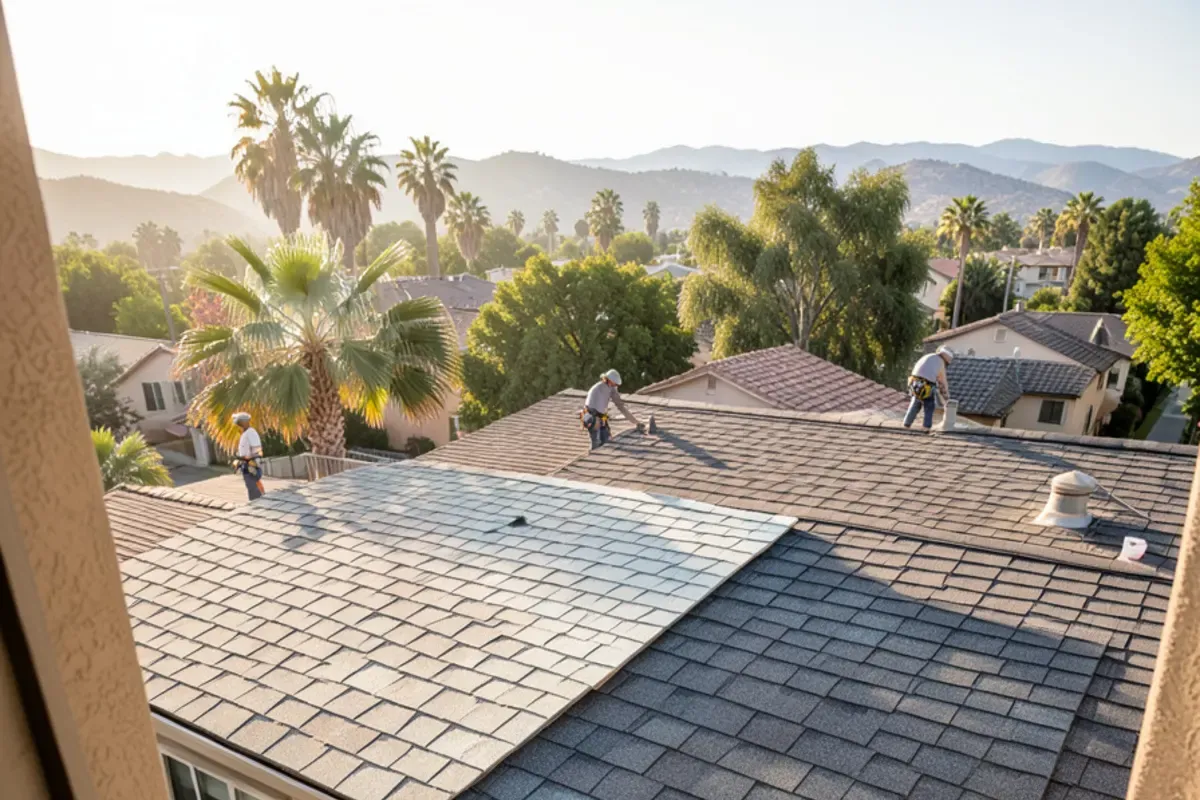
Valley wind season, driven by Santa Anas and downslope gusts, runs roughly October to March; the January 2025 storm tore roofing off homes throughout the foothill cities. Shingle wind performance depends on three things.
- Test class: shingles are rated under ASTM wind tests, and higher classes resist stronger uplift.
- Nailing: the nail count and placement in the marked nailing zone, which many makers require to be increased for higher wind coverage.
- Sealant bond: the factory adhesive strip must heat and seal; shingles installed in cold weather or left dusty may not bond well right away.
Starter strips at eaves and rakes and proper ridge caps matter as much as the field shingle, since wind usually lifts edges first.
Are cool roof shingles worth it in Climate Zone 9?
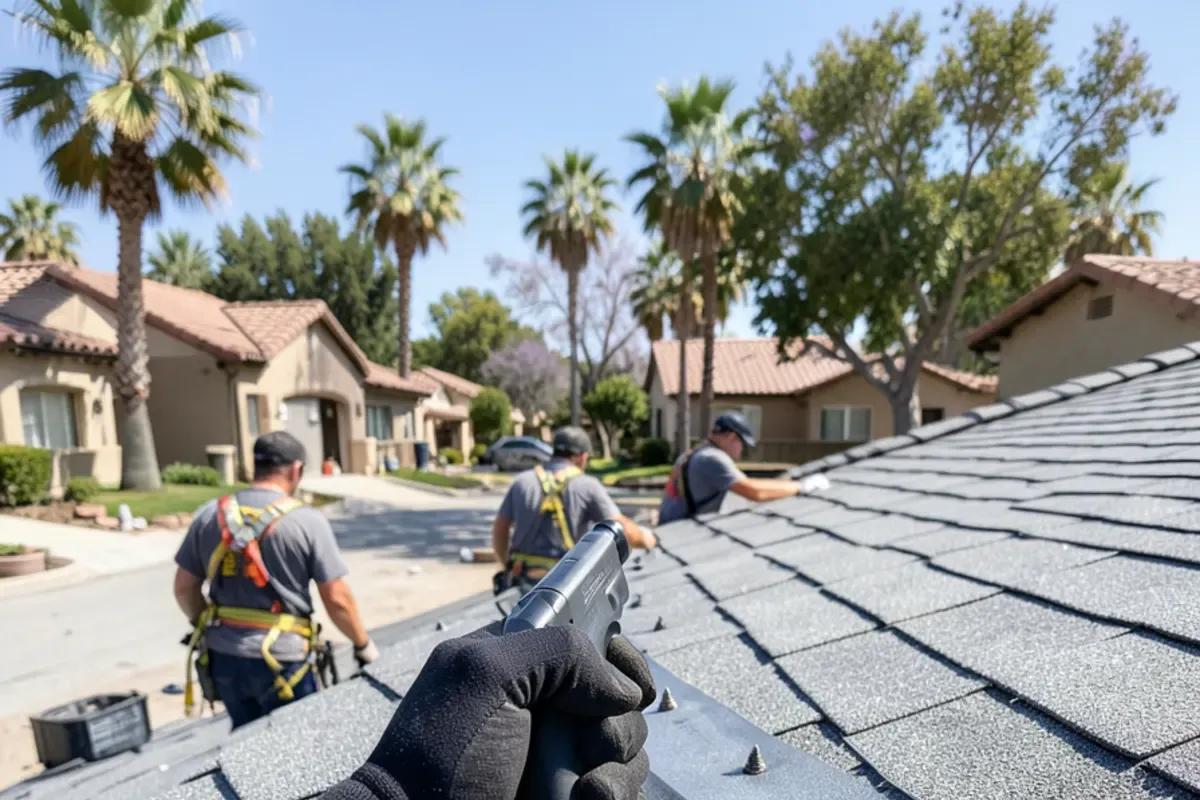
They are often required. Replace half or more of a pitched roof in a cool-roof zone and Title 24 expects an aged reflectance no lower than 0.20 plus 0.75 emittance, with SRI 16 as the alternative, unless the house qualifies for an exception (heavier ceiling insulation at R-38, a radiant barrier, or ductwork outside the attic are examples). Most of the valley, Rosemead included, sits in Climate Zone 9.
Typical dark shingles age to a reflectance between 0.05 and 0.15, so many standard colors fall short. Each major brand sells reflective colors with CRRC labels. Ask to see the label for the color you want, and note that cool versions may cost a little more or come in fewer shades. Our cool roof installation page explains the compliance options.
Reading shingle warranty terms
Manufacturer warranties vary by line and by tier. The base coverage usually protects against manufacturing defects. Upgraded system coverage generally depends on using the maker's matching accessories (starter, ridge cap, underlayment and sometimes ventilation), registering the roof, and in some cases hiring a contractor enrolled in the maker's program.
- Ask which coverage tier your quote includes and whether it is registered.
- Check what is prorated over time and when full coverage ends.
- Read whether labor and tear-off are covered, or only material.
- Ask whether coverage transfers if you sell the house, and how.
- Get workmanship terms separately in your contract, since they come from the installer, not the manufacturer.
What our installers notice when comparing shingle lines
On reroofs around Rosemead and San Gabriel, the brand rarely decides how a roof performs. The details do.
- Shingle lines from different makers mixed on one roof during past repairs, which never match in color or texture.
- Old roofs failing early at missing starter strips and short-nailed edges, not in the field.
- Owners picking a dark color from a small chip, then needing a cool-rated version for the permit.
- Discontinued colors making later spot repairs hard, which is a reason to keep a bundle in the garage.
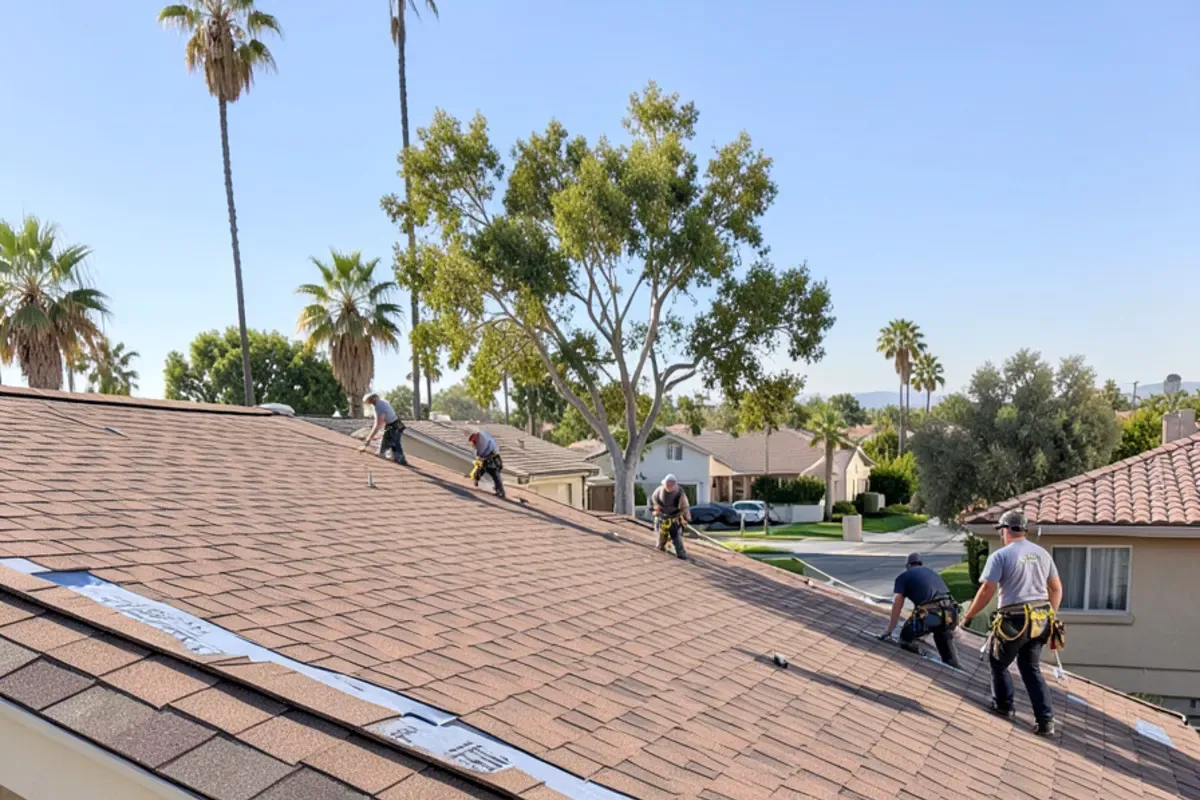
We bring full-size samples, check the CRRC rating for each color you shortlist, and list the exact line, color and accessories on the written quote.
Trade-offs between shingle tiers and options
- Designer lines give a slate or shake look and a thicker profile, but they cost noticeably more, weigh more and come in fewer cool-rated colors, so they make most sense where the roof dominates the street view.
- A cool-rated color clears Title 24 without paperwork, while a darker standard color may still pass through an exception such as R-38 ceiling insulation or a radiant barrier. Proving the exception is extra work that the cool color avoids.
- High-wind nailing and a dedicated starter strip add only a modest amount of labor and material, and they are the cheapest insurance a foothill roof can get against edge lifting.
- A premium heavyweight line resists scuffs and summer heat aging a little better, yet on a well-ventilated ranch roof a standard architectural line often performs nearly the same.
Spot repairs follow the same logic. A line that is still in production makes later shingle roof repair much easier to blend.
Choosing a shingle line with confidence
Narrow your choice to two or three lines in colors you like, confirm their cool-roof and wind ratings, and compare warranty documents side by side. Then make sure the installer's scope includes matching accessories. Our asphalt shingle roofing page and re-roofing page explain the rest of the process. Call (725) 745-8803 to see full-size samples laid out on your roof, or ask for a quote through our form.
Questions readers ask
Is one shingle brand clearly better than the others?
Among the major manufacturers, comparable architectural lines perform similarly when installed to the maker's instructions. Choose by color, cool-roof rating, local availability and warranty terms. A brand you can reorder easily for future repairs also has practical value, since mismatched patches stand out.
Do cool roof shingles look different from regular shingles?
Many look almost the same. Cool-rated colors use reflective granules, and lighter tones reflect the most, but several makers offer grays, browns and earth tones that qualify. Darker shades are harder to rate, so check the CRRC label for the exact color.
What wind rating do I need in the San Gabriel Valley?
Most homes do fine with a standard architectural shingle installed with the maker's high-wind nailing pattern and starter strips. Foothill homes exposed to strong downslope winds benefit from the higher wind classes and extra nailing. Ask your installer which pattern the quote includes.
Does a shingle warranty cover leaks from installation mistakes?
Usually not. Manufacturer coverage addresses defects in the product, and installation errors fall under the contractor's workmanship terms. Ask for both in writing, check how long each one lasts, and find out whether either can pass to the next owner if you sell the home.
How many spare shingles should I keep after a new roof?
Keep at least one unopened bundle of the same line and color, stored flat and off the floor in the garage. Colors are discontinued and dye lots drift, so a spare bundle is often the only exact match when a Santa Ana gust strips a few pieces. Ask your installer to leave it, and note the line and color name on the wrapper.
Sources
Written by Tylzen Spoke Roofing
A roofing contractor on Rosemead Blvd (CA-19) in Rosemead, working on shingle, tile, metal and flat roofs across the San Gabriel Valley. This guide reflects what our crews check on local roofs. Questions about your roof? Call (725) 745-8803.