
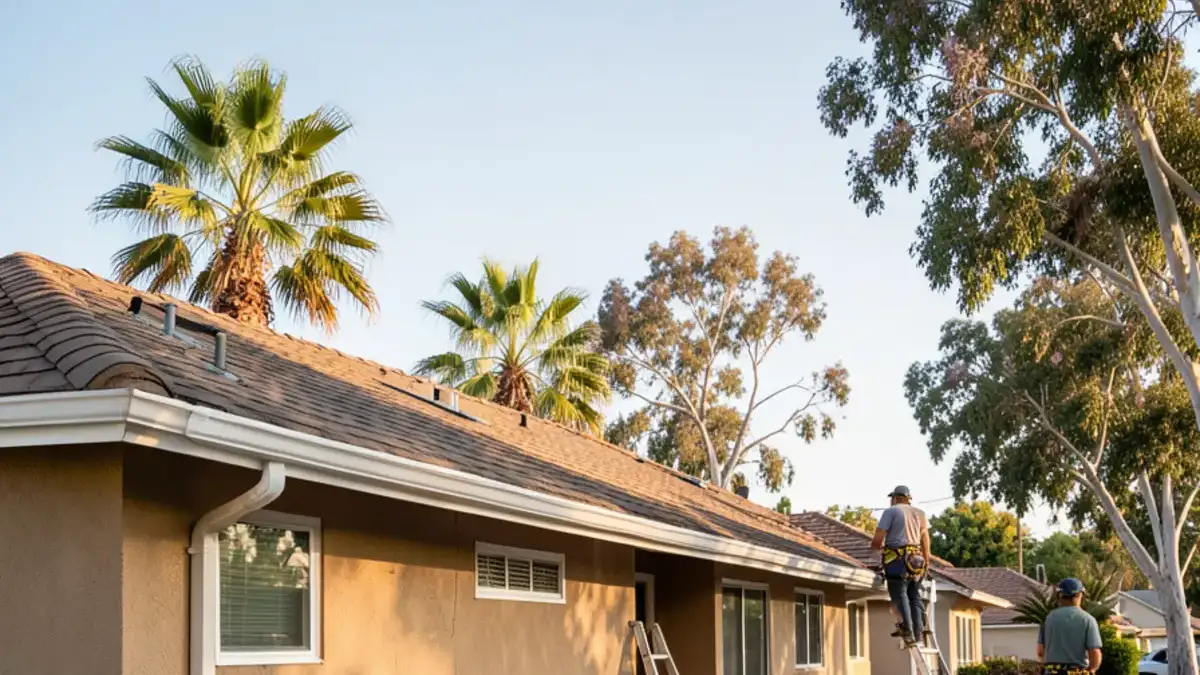
Fascia repair in Rosemead is mostly about water that ended up where it should not. When a gutter overflows, leaks at a seam or was hung below the drip edge, water soaks the board behind it, and after a few winters the wood softens, the paint peels and the gutter starts to pull away. Through our gutter and roof-edge services, we cut out the rotted fascia, check the rafter tails and soffit behind it, replace what is damaged and leave a sound, primed edge ready for gutters.
Soffits come into it because they share the same eave. A gap in a soffit panel is also how roof rats, squirrels and birds get into many attics.
Signs your Rosemead home needs fascia repair
- Paint that peels or blisters along the fascia, especially behind gutter corners.
- Wood that dents under a thumbnail or the tip of a screwdriver.
- Gutters pulling away, with hangers that spin in their holes.
- Sagging, cracked or stained soffit panels, or stucco soffit with brown water lines.
- Droppings, nesting material or chewed openings at the eaves.
- Dark streaks running down the wall below the roof edge.
What causes rotted fascia on older valley homes
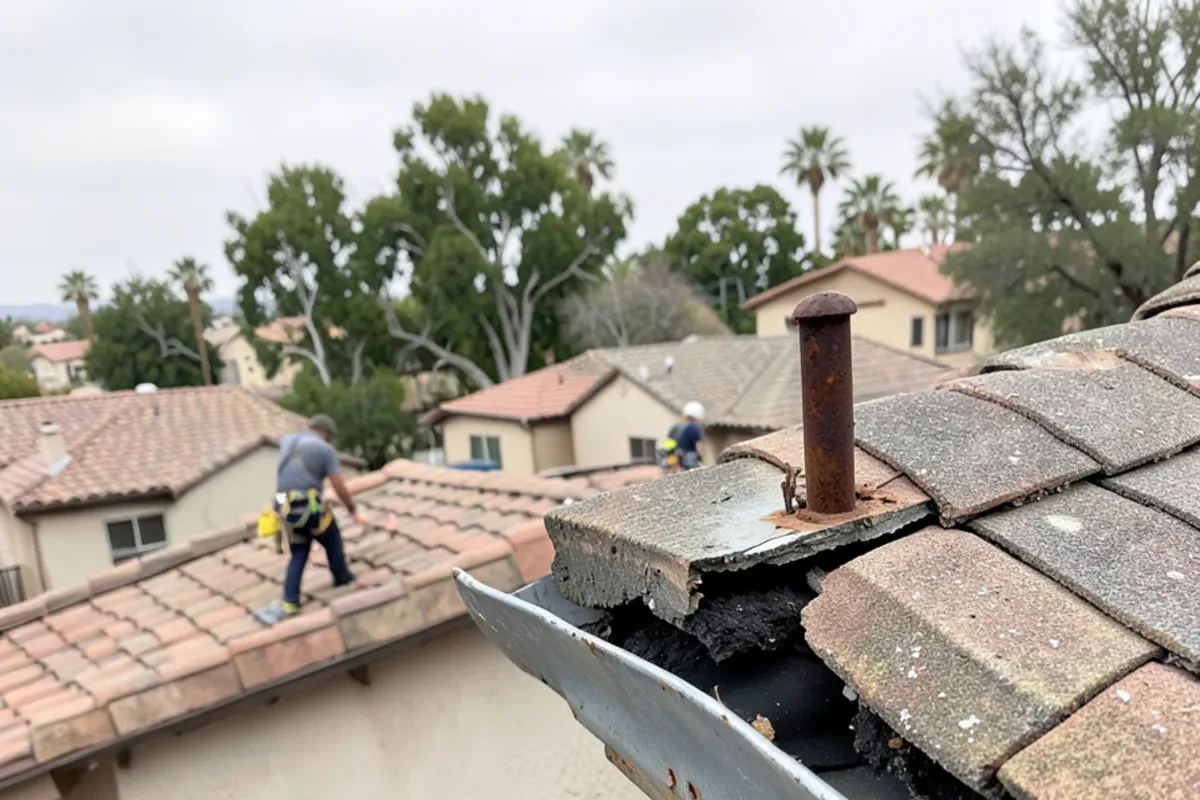
Fascia rots from the top edge down. If the roof has no drip edge, or the gutter back sits on the face of the board instead of tucking under the edge metal, water runs down behind the gutter in every storm. Overflowing corners and leaking seams soak the same spots year after year.
Age adds to it. Rosemead's median home dates to 1959, per Point2Homes, and many fascia boards on those homes are original fir or redwood, painted many times without the end grain ever being sealed. Rafter tails on open-eave houses take water at their cut ends and rot there first.
Then there is sun. South- and west-facing eaves bake every summer afternoon, which cracks paint and lets the first November rains straight into the grain.
How do we inspect fascia, soffits and rafter tails?
- Probe the fascia along every run, focusing on corners, downspout outlets and low spots.
- Check the drip edge and how the gutter meets it.
- Look up at the soffit for stains, sags, gaps and loose vent screens.
- Inspect rafter tails wherever the fascia is soft, since rot often travels into them.
- Check the attic side of the eave when access allows, for daylight, nesting and damp sheathing.
- Photograph each problem and mark on the quote which boards need replacing.
Eave repair options: fill, replace or sister
Epoxy filler for small spots
A small soft spot at a corner can be dug out, treated, filled with exterior epoxy and primed. It is quick, but it only works when the rot is shallow and the cause has been fixed.
Fascia board replacement
Most jobs replace whole lengths of fascia from joint to joint. We match the board size, commonly 2x6 or 2x8 on homes here, prime every face and cut end before installing, and fasten into each rafter tail. Solid primed lumber, finger-joint boards, and PVC or fiber cement fascia are all options, each with its own look and paint needs.
Rafter tail repair
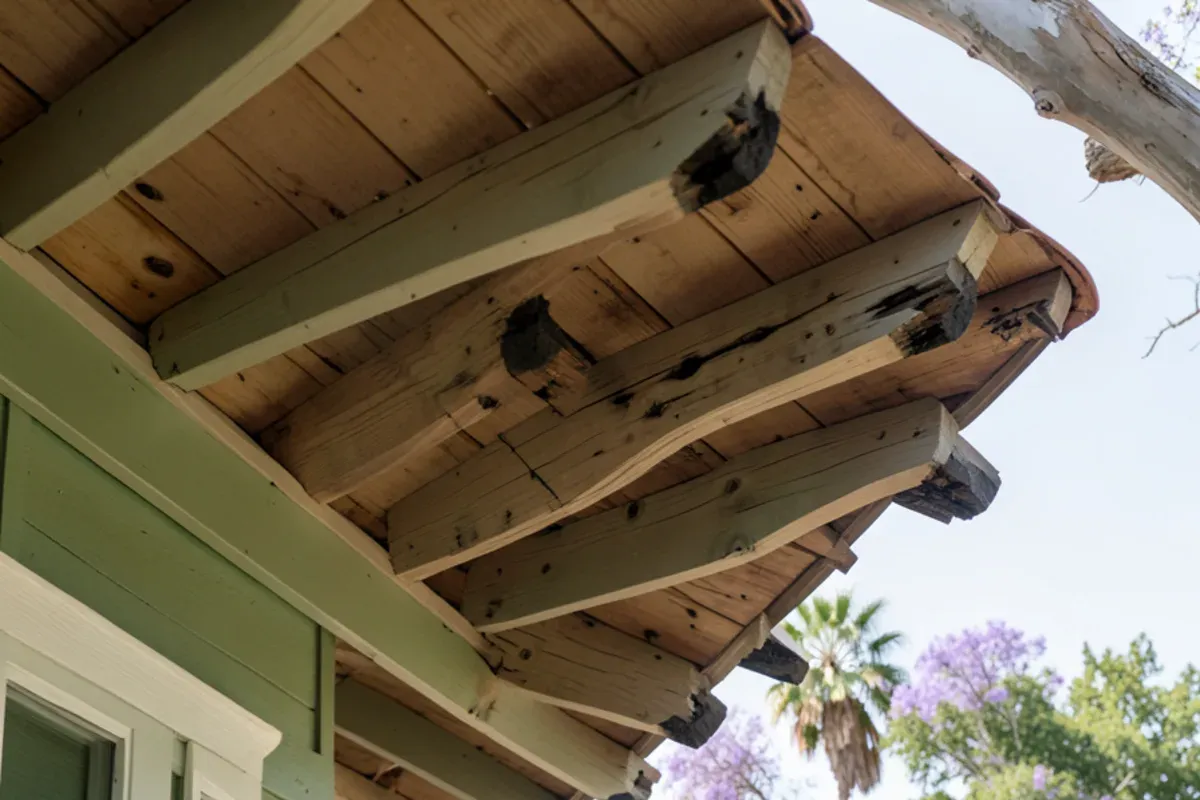
When rot has reached the rafter ends, we cut back to sound wood and sister a new tail alongside, or replace exposed tails on open eaves where they show. This is structural work, and when it reaches the roof sheathing it overlaps with roof deck and dry rot repair.
Soffit repair
Plywood soffits get new panels cut to fit. Stucco soffit damage often needs a plaster repair or a switch to vented panels, which we scope and list separately. Gaps that animals use are closed with metal, not foam.
What a fascia and soffit job covers
- Probing and photographing every eave before any board is cut.
- Removing rotted fascia, trim and soffit panels back to sound wood.
- New boards primed on all faces and cut ends, fastened into each rafter.
- Drip edge or gutter apron added where water was reaching the board.
- Closing animal entry gaps with metal and resetting vent screens.
Soffit vents and attic airflow at the eaves
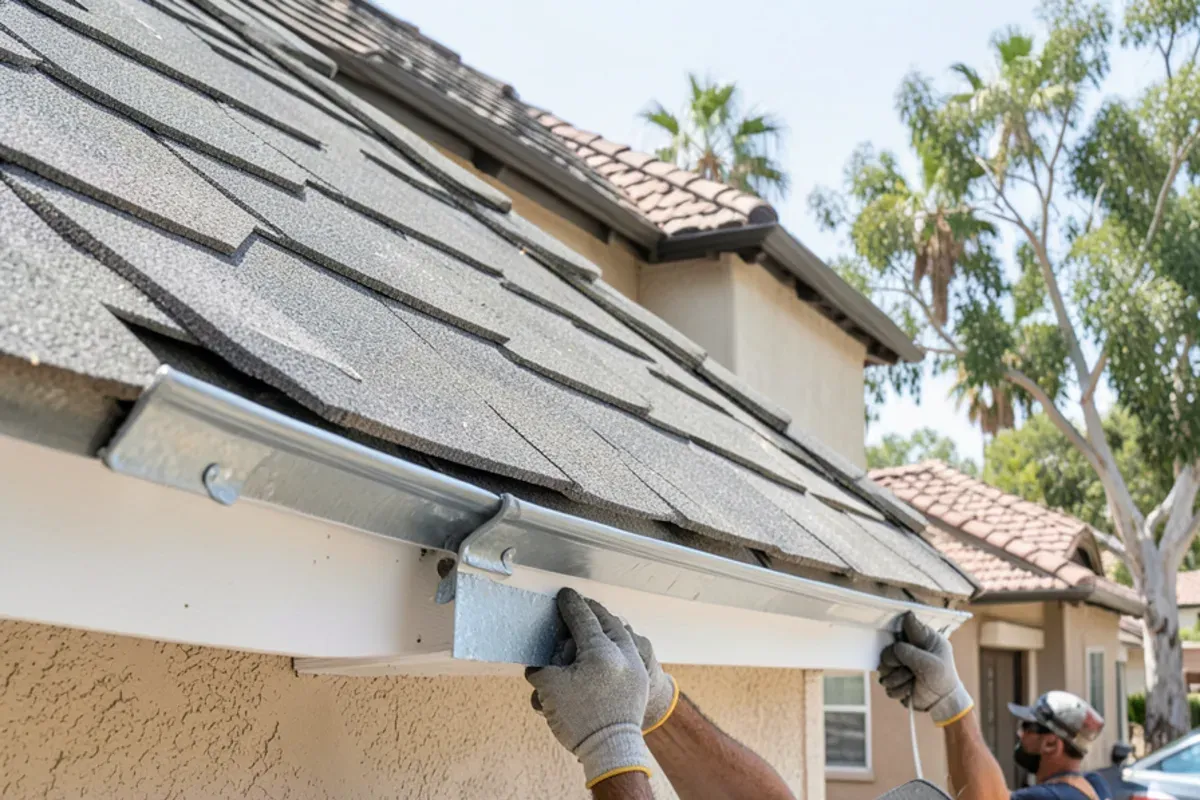
Soffit vents let cooler air in at the eaves so it can rise and leave through vents near the ridge. Many valley homes have too few, or have them blocked by insulation or layers of paint. Adding vents to plywood soffits, or screened blocking vents between rafter tails on open eaves, is often part of a fascia job. For the airflow side, see attic ventilation.
In the Very High Fire Hazard Severity Zones CAL FIRE maps along the foothill edges of Altadena, Sierra Madre and Monrovia, the California Building Code calls for ember-resistant vents with 1/16 to 1/8 inch mesh. We fit vents to that standard where it applies and suggest confirming details with the local building department.
Need soffit & fascia repair help this week?
Tell us what you are seeing. We schedule same-day or next-day visits when crews are free and send photos with a written quote.
- 4.9 from 48 Google reviews
- Based on Rosemead Blvd
- Photos and a written quote before work
Fascia and gutter replacement, step by step
- Gutters come down carefully so they can be rehung if they are in good shape.
- Rotted fascia and trim are cut back to sound wood, and rafter tails are repaired where needed.
- New boards, primed on all sides, are installed and caulked at the joints.
- Drip edge is checked or added so water clears the new board.
- Gutters are rehung or replaced, pitched and fastened into solid wood.
- Old lumber is hauled off, the site is cleaned, and you receive photos of the finished eave.
Most fascia repairs take one to two days. If the gutters are due anyway, combining new gutter installation with the wood repair saves taking them down twice, and seamless gutters can be formed to the new fascia on the same visit.
What affects the cost of fascia board replacement?
- Linear feet of fascia and trim replaced.
- Board material: primed wood, finger-joint, PVC or fiber cement.
- Rafter tail or soffit damage found behind the fascia.
- Removing and rehanging gutters, or replacing them.
- Paint: primer only or full finish coats.
- Height, access and any stucco or plaster repair.
Material is the choice you control. PVC and fiber cement cost more than primed wood at the start but hold paint longer, while period homes often need rough-sawn or redwood boards milled to match the original size. Stucco soffit repair is plaster work and gets its own line.
Hidden rot is the big unknown, so we price the visible damage by the foot and list a per-board rate for anything found once the old wood is off. Nothing beyond the quote is replaced without your approval. To keep the new wood dry, keep the gutters clean, sealed and tucked under the drip edge, and repaint the fascia when the finish starts to chalk or crack.
Permits, lead paint and licensing for eave repair
Swapping fascia board for board rarely needs a building permit, but rafter-tail and structural repair can, so ask the City of Rosemead's Building and Safety Division, or LA County Public Works in unincorporated areas, before work starts. Eave vents in Very High fire zones must also meet the Chapter 7A ember-resistance rules covered above.
Lead paint matters on older eaves. With 51.6% of Rosemead units built before 1960, per the city's Housing Element, much of the fascia here likely carries pre-1978 paint, and the EPA's Renovation, Repair and Painting Rule requires a certified firm using lead-safe practices when exterior work disturbs more than 20 square feet of it. Ask any contractor for that certification and for the CSLB license required on jobs above $1,000, then check the license at cslb.ca.gov.
Why homeowners choose Tylzen Spoke for eave and fascia work
- Photos of every soft board and a written quote that lists wood repair apart from gutter work.
- Reviewers mention crews that protect plants and patios and clean up thoroughly.
- A Rosemead Blvd location close to homes across the valley.
- As of November 2026, 48 Google reviewers have given us a 4.9-star average.
Boards, primers and vent products carry manufacturer terms that depend on the product; the workmanship terms for our wood repair are written into the contract. Get each one in writing, and find out if it stays with the house after a sale.
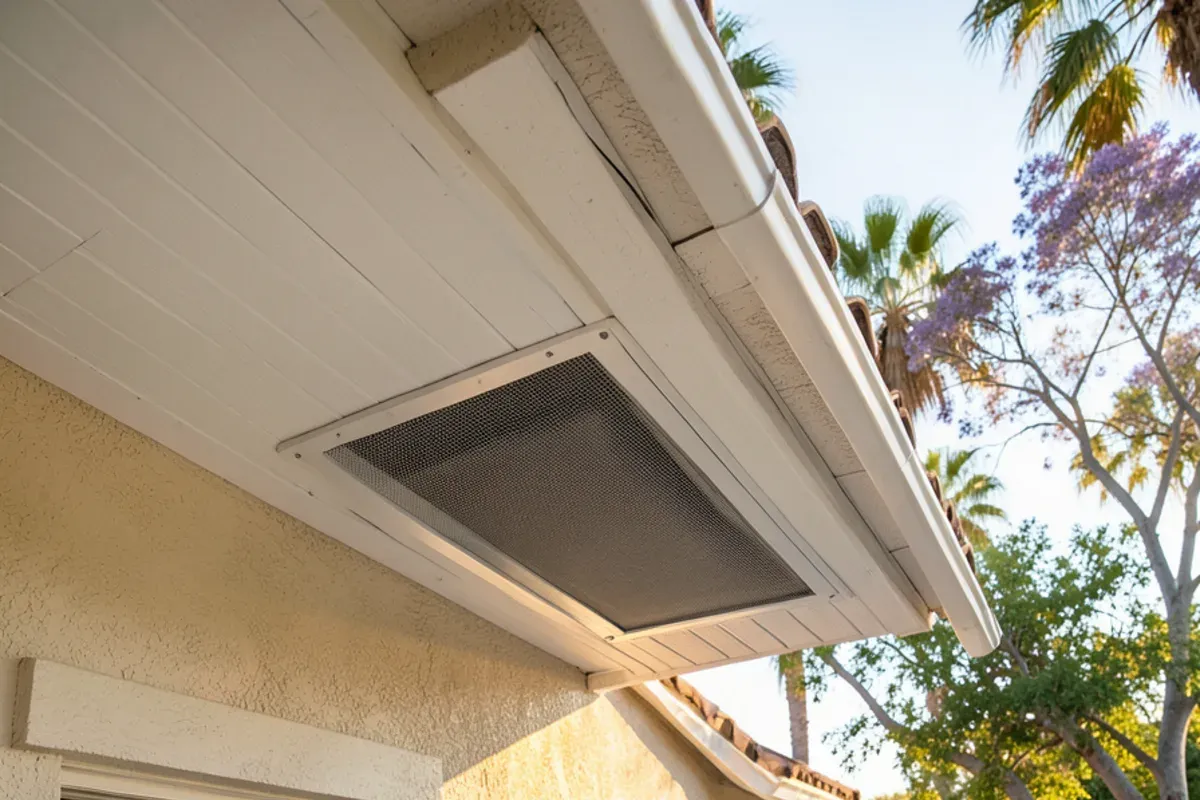
We repair fascia and soffits on homes in South Pasadena, Altadena and Temple City, from Craftsman rafter tails to post-war boxed eaves.
What customers say on Google
4.9★ from 48 Google reviews (checked Nov 2026)
“Our flat garage roof had a leak, and since the main roof was already aging, we decided to handle the full roofing project at the same time and upgrade from asphalt shingles to a metal roofing system. …”
“Last spring, like many people in Rosemead, we had hail damage to our roof. Since our insurance didn’t cover as much as we expected and we had to pay more than half the cost ourselves, we wanted to find a roofer who would do quality work at a fair price. …”
“the roofing crew did an excellent job replacing the roof on my house in rosemead. we had some hail damage after a storm, which another roofer first pointed out. i wanted a second opinion, so i called for a quote, and the response was fast. tanner came by, explained clearly what needed fixing, and was very professional and friendly. …”
Where we handle soffit & fascia repair
- Rosemead
1950s ranch homes with original fir fascia, painted many times over and soft behind the gutter corners.
- South Pasadena
Craftsman and period homes with exposed rafter tails, where rot starts at the cut end of each tail.
- Altadena
Foothill homes in fire zones, where new soffit and blocking vents need ember-resistant 1/16 to 1/8 inch mesh.
- Temple City
Older boxed eaves with plywood soffits, where roof rats and squirrels chew in at softened corners.
- Pasadena
Bungalows with open eaves and redwood fascia, where replacement boards must match the original size and profile.
- Sierra Madre
Very High fire zone homes, where any eave vent replaced during a repair must meet Chapter 7A rules.
- Monrovia
Older foothill homes whose south- and west-facing eaves bake each summer until the paint seal cracks.
- San Gabriel
Spanish Revival homes with stucco soffits, where brown water lines point to a leak at the roof edge above.
- El Monte
Post-war tract homes whose gutters were hung without drip edge, so the fascia behind them soaks every storm.
More places we handle soffit & fascia repair
Soffit & Fascia Repair questions
What makes fascia boards rot where gutters are attached?
Water getting behind the gutter. If the gutter back is not tucked under the drip edge, or the roof has no drip edge at all, runoff wets the top of the board in every storm. Leaking corners and overflow at clogged outlets add more. Shaded behind the gutter, the wood stays damp and rots from the top edge and the joints first.
Is it possible to add vents to my soffits?
Yes. On plywood or panel soffits we cut in screened vents between rafters; on open eaves we swap solid blocking between rafter tails for vented blocks. Vents only help if air can reach the attic, so we check that insulation is not packed against them. In Very High fire zones we use ember-resistant mesh vents.
Will the new fascia be painted?
Every new board is primed on all faces and cut ends before it goes up, because bare end grain is where rot starts. We can add finish coats to match your trim, or leave the primed wood ready for your painter. The quote states which one you chose, so there is no question on the day.
Do I need new gutters when the fascia is replaced?
Not always. Gutters in good shape can come down and go back up on the new wood. Old spike-hung or bent sections, and worn-out sectional systems, are better replaced at the same time, since the eave is already open. We tell you which applies after looking at both.
Can animals get into my attic through the soffit?
Yes, and it is one of the most common entry points we find. Roof rats can squeeze through a gap about half an inch wide, and squirrels chew wider openings at soft soffit corners. We close gaps with metal flashing or hardware cloth and replace damaged panels. If animals are already inside, removal has to come before sealing.