
By Tylzen Spoke Roofing · Published
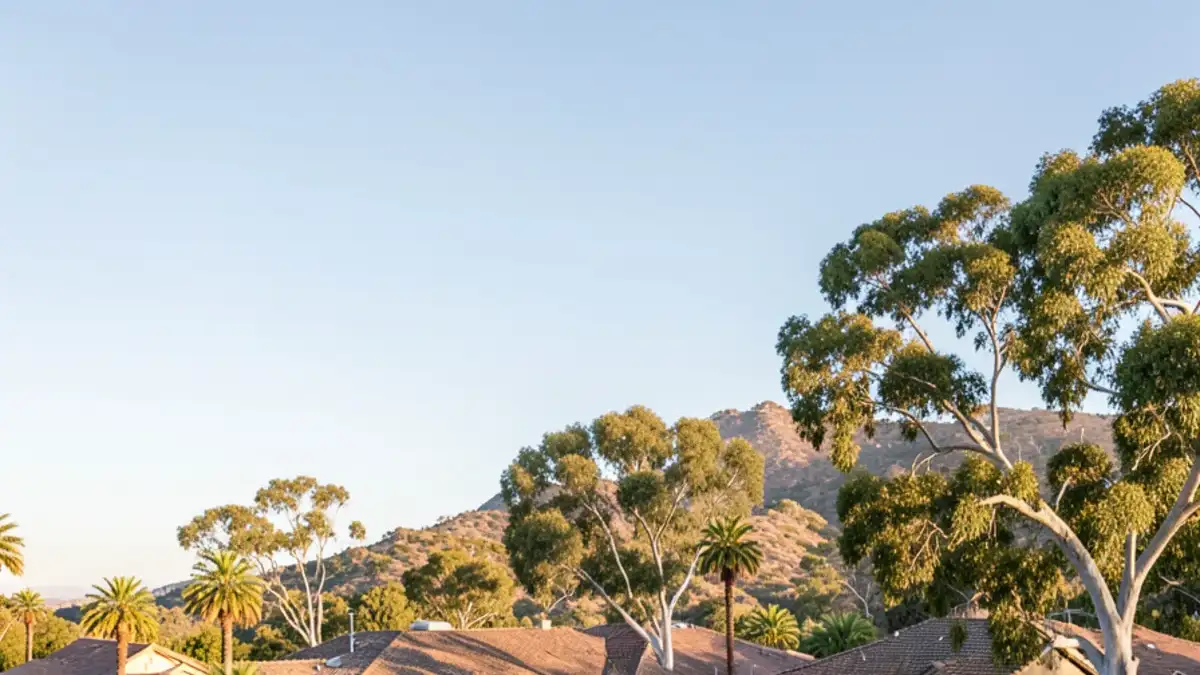
Very high fire hazard severity zone roofing comes down to three things: a Class A roof assembly, vents that keep embers out of the attic, and roof edges, valleys and gutters that do not collect fuel. Foothill parts of Sierra Madre, Monrovia, La Cañada Flintridge, Glendora and their neighbors include mapped Very High zones, and California's wildfire building rules shape what you can install when the roof is replaced.
This guide is for existing homes, not rebuilds. It covers how to check your zone, what applies at reroof time, and the order we suggest for hardening a roof you already have. For the systems we install, see our fire-resistant roofing service.
How can you tell if your home is in a Very High zone?
CAL FIRE maps Fire Hazard Severity Zones across the state, and the Office of the State Fire Marshal publishes a lookup where you can enter an address. Zones are drawn by terrain, vegetation and fire behavior, not by city boundaries, so two homes on the same street can fall in different zones. Maps are revised from time to time, which means a check you did years ago may be out of date.
Your city's building or planning department can also confirm the zone for a specific parcel. It is worth doing before you collect roofing quotes, because the zone changes which products and details are allowed.
Want a roofer to look at it?
Call with your address and what you are seeing. We visit same-day or next-day when crews are free.
- 4.9 from 48 Google reviews
- Based on Rosemead Blvd
- Photos and a written quote before work
What the wildfire rules mean when you replace an existing roof
The wildfire chapters of the state codes, Chapter 7A of the Building Code and Section R337 of the Residential Code, set the standards for new buildings in these zones. They call for Class A roof assemblies and vents fitted with 1/16 to 1/8 inch mesh that stops embers. When an existing home in a Very High zone is reroofed, the replacement covering is generally expected to meet Class A as well.
How a city treats partial replacements and repairs can vary, so ask the building department how it applies the rule to your scope. A good quote for a home in a mapped zone states the Class A product, the underlayment it was tested with, and the vent specification in writing.
Roof upgrades that harden a foothill home, in priority order
If you can only do part of the work at once, this is the order that addresses the most common ways embers ignite a roof.
- Replace any non-Class A covering, especially old untreated wood shake.
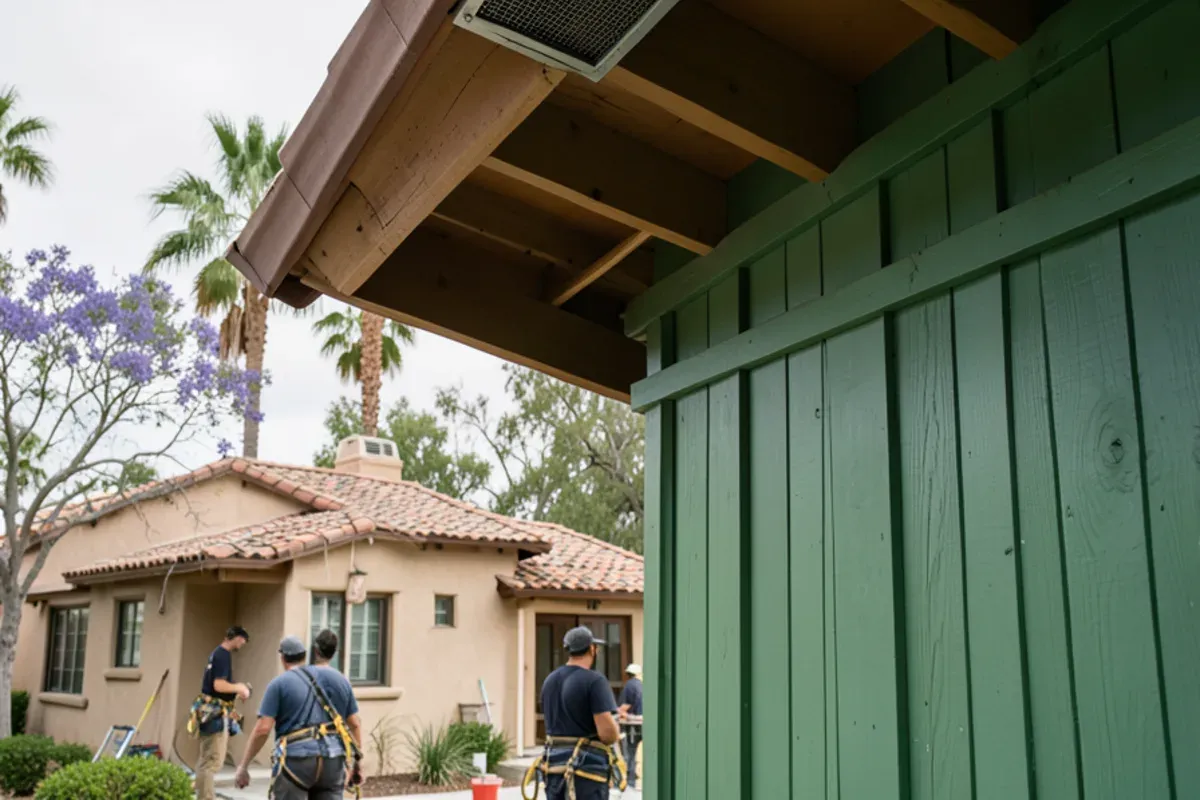
- Swap open or coarse-screened attic and eave vents for ember-resistant models.
- Block the open ends of curved tile at the eaves with fire-rated closures, or add a mineral-surfaced cap sheet beneath.
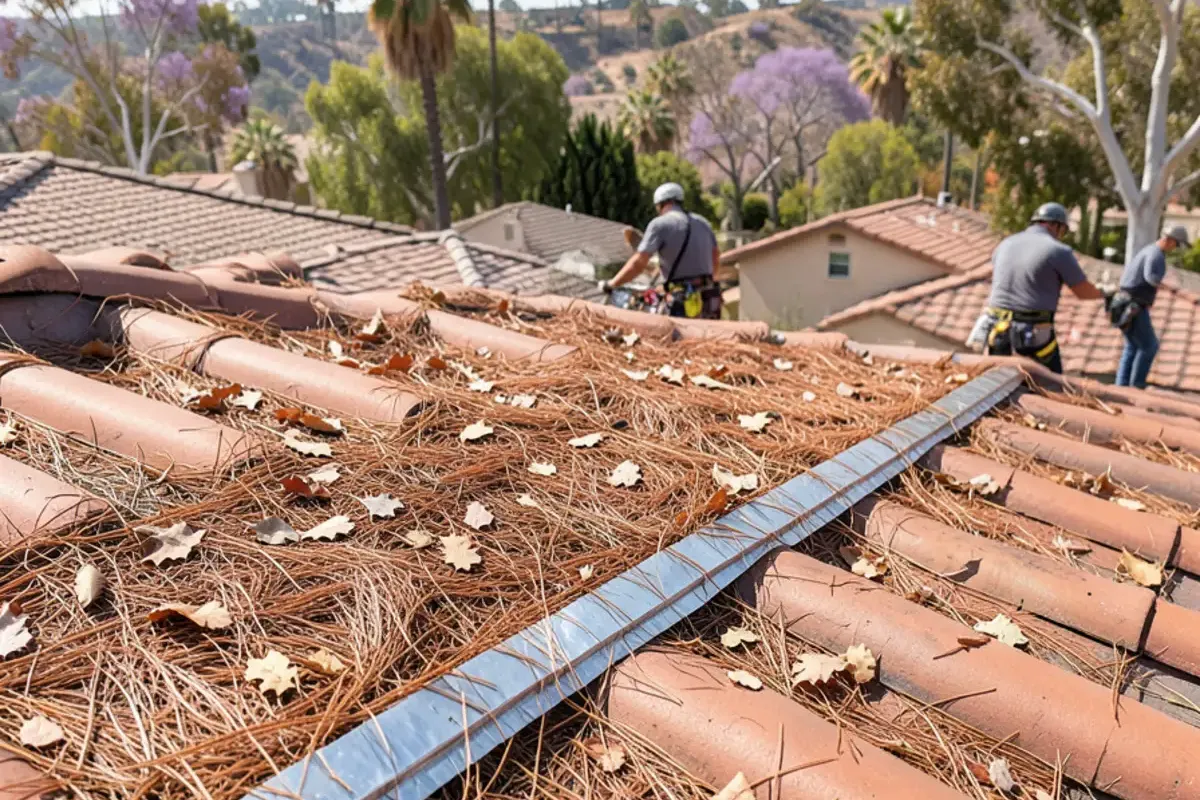
- Install metal valley flashing and keep valleys clear of leaves and needles.
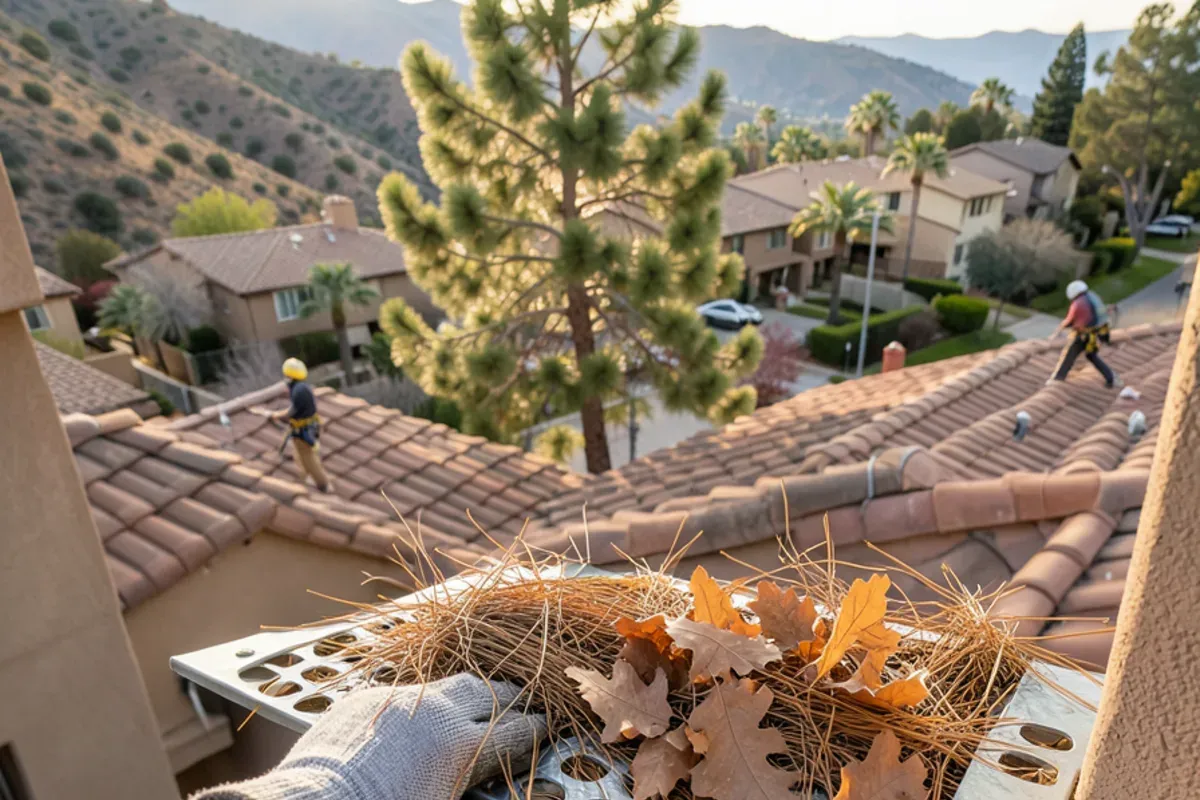
- Fit noncombustible gutter guards and clean gutters before fire season and again before the rains.
- Trim branches back from the roof and remove debris from behind chimneys and dormers.
- Replace plastic vent caps and skylight domes that can melt or crack in heat.
Items 2 through 6 can usually be done without replacing the roof. Vent swaps and gutter guards are among the smaller costs on the list, yet they close the openings embers use most. Replacing the covering is the largest expense, so many owners time it for when the current roof wears out anyway and fold the other upgrades into that project.
A twice-a-year roof routine for fire country
Hardware only works if it stays clear. Run through this once in late summer before the Santa Ana season and again before the first winter storm.
- Clear gutters, valleys and the area behind chimneys of leaves and needles.
- Brush ember-resistant vent mesh clean and look for torn or loose screens.
- Check that tile eave closures and bird stops are still in place along every eave.
- Trim branches back from the roof; California's defensible space rules call for at least 10 feet between branches and a chimney or stovepipe outlet.
- Look for cracked plastic vent caps, skylight domes and pipe boots, and replace them with metal or glass parts.
- Clean the spark arrestor screen on the chimney cap so it does not clog.
Fire history along the San Gabriel foothills
The foothill communities above the valley floor have a long record of wildfire. A few recent events show how close fire comes to homes.
| Fire | Year | Area affected |
|---|---|---|
| Station Fire | 2009 | Burned to the edge of La Cañada Flintridge |
| Colby Fire | 2014 | Glendora and Azusa foothills |
| Eaton Fire | January 2025 | Much of Altadena |
Santa Ana and downslope wind events peak from October through March, the same months these foothills are driest before the rains take hold. Wind carries embers well ahead of a fire front, which is why vents, gutters and valleys matter as much as the roof covering.
Foothill communities with Very High zones, and the roof issue each one brings
CAL FIRE's maps put Very High zones along the whole northern and eastern rim of the valley, plus the Puente-Chino Hills to the south. The roofs in those zones are not all alike, and neither is the work they tend to need.
| Community | Common housing | Roof concern we check first |
|---|---|---|
| Altadena | Rebuilds beside surviving older homes | Ash, heat-softened sealant and melted vent parts on homes that survived |
| Sierra Madre and Monrovia | Craftsman bungalows and hillside homes | Open rafter tails and unscreened attic vents |
| Bradbury and Duarte | Hillside lots backing onto brush | Debris at roof-to-wall joints and in gutters facing the slope |
| Glendora and Azusa | Hillside tracts, many with concrete tile | Open tile eave ends and missing bird stops |
| La Cañada Flintridge and La Crescenta | Larger lots under oaks and pines | Needle loads in valleys and gutters |
| Puente-Chino Hills edges | Newer hillside subdivisions | Tile eave closures and vent mesh on homes facing open slopes |
Permits follow the map of who governs the parcel. Incorporated cities issue roof permits through their own building division or the county office they contract with, while unincorporated communities such as Altadena and La Crescenta-Montrose go through LA County Public Works Building & Safety.
What we see on Sierra Madre, Monrovia and La Cañada Flintridge roofs
In Sierra Madre and Monrovia, many homes are Craftsman bungalows with open rafter tails, wide eaves and attic vents that were never designed with embers in mind. In La Cañada Flintridge, larger lots under oaks and pines mean heavy leaf and needle loads in valleys and gutters.
The issues we find most are coarse vent screens, gutters full of dry debris, tile roofs with open eave ends, and older roofs patched with mixed materials. On every inspection in a mapped zone, we photograph those details and list which ones the code requires and which are optional improvements, so you can plan the work in stages if you need to.
Fire-zone choices that trade against each other
Hardening a roof you already own means working with framing, eaves and a look that were set decades ago. Several choices pull in opposite directions, and we explain them before anyone picks a product.
- Shingle to tile: tile is Class A and long-lived, but framing built for shingles may not carry it, so a switch usually needs an engineer's check and sometimes new framing.
- Open rafter tails: boxing in Craftsman eaves closes gaps embers use, yet it changes the look that defines the house. Ember-resistant vent blocks between the tails are often the middle path.
- Gutter guards: noncombustible guards keep needles out of the gutter, but they still need clearing on top, and a guard that is hard to remove makes the gutter itself harder to service.
- Metal roofing: light and needle-shedding, but some panels only reach Class A over a listed fire-barrier underlayment, so the cheaper underlayment option can void the rating.
- Skylights: replacing a plastic dome with tempered glass removes a weak spot, though the curb and flashing usually need rebuilding at the same time.
Our general advice is to spend first on the openings, because vents, eave ends and gutters are inexpensive compared with a new covering and close most ember paths. When the covering is due anyway, fold the rest of the list into that one permitted job.
Can a fire-safe roof still breathe and meet Title 24?
Yes, with planning. Fine ember mesh lets less air through than an open screen, so the attic may need more vent area to stay cool and dry. Our attic ventilation work balances intake and exhaust using vents rated for ember resistance.
Title 24 cool-roof rules still apply to shingle reroofs in Climate Zone 9, so a Class A shingle usually also needs a rated solar reflectance. Most tile falls under the heavy-roof exception. Glendora, Monrovia and Sierra Madre homeowners should confirm both requirements with their city before choosing a product.
Starting a fire-zone roof upgrade
Begin with a zone check and a photo inspection. From there, a written, line-by-line scope tells you what must change at reroof time and what can be done now for less. If your neighborhood is rebuilding after a fire rather than upgrading, our guide to Eaton Fire rebuild roofing covers new-construction rules. To book a fire-zone roof inspection, call (725) 745-8803 or request a quote.
Questions readers ask
Are wood shake roofs still allowed in a Very High fire zone?
Untreated wood shake does not meet Class A, so it cannot be used where Class A is required. Some treated shake products reach Class A only as part of a specific tested assembly. Most foothill owners replacing shake choose Class A shingle, tile, or metal instead, and the building department confirms what it will accept.
Do ember-resistant vents need maintenance?
Yes. Fine mesh catches dust, leaves and spider webs faster than an open screen, and a clogged vent reduces attic airflow. Check vents once a year, ideally in late summer before the windy season, and brush them clean. Damaged mesh should be replaced rather than patched.
Will a Class A roof lower my homeowners insurance premium?
It may help. The California Department of Insurance's Safer from Wildfires framework requires insurers to recognize certain mitigation, including a Class A roof and ember-resistant vents, when pricing policies. How much it changes your premium depends on your insurer, so ask for their mitigation discount details.
Who issues roof permits for homes in foothill fire zones?
The agency that governs your parcel. Sierra Madre, Monrovia, Glendora, Duarte and the other incorporated foothill cities issue roof permits through their own building division or the county office they contract with. Unincorporated communities such as Altadena and La Crescenta-Montrose get permits from LA County Public Works Building & Safety. Ask the issuing office how it applies Class A and vent rules to your scope before work starts.
Sources
Written by Tylzen Spoke Roofing
A roofing contractor on Rosemead Blvd (CA-19) in Rosemead, working on shingle, tile, metal and flat roofs across the San Gabriel Valley. This guide reflects what our crews check on local roofs. Questions about your roof? Call (725) 745-8803.